
Timber construction systems for B2B partners
Jelovica is the ideal partner for general contractors and property developers. Our portfolio includes three complementary timber construction systems—timber frame, solid wood (CLT/BSP), and hybrid construction—for single- and multi-family homes, as well as commercial and public projects. All systems are engineered according to EUROCODE 5 and 8, are CE/ETA certified, and are based on PEFC-certified timber.
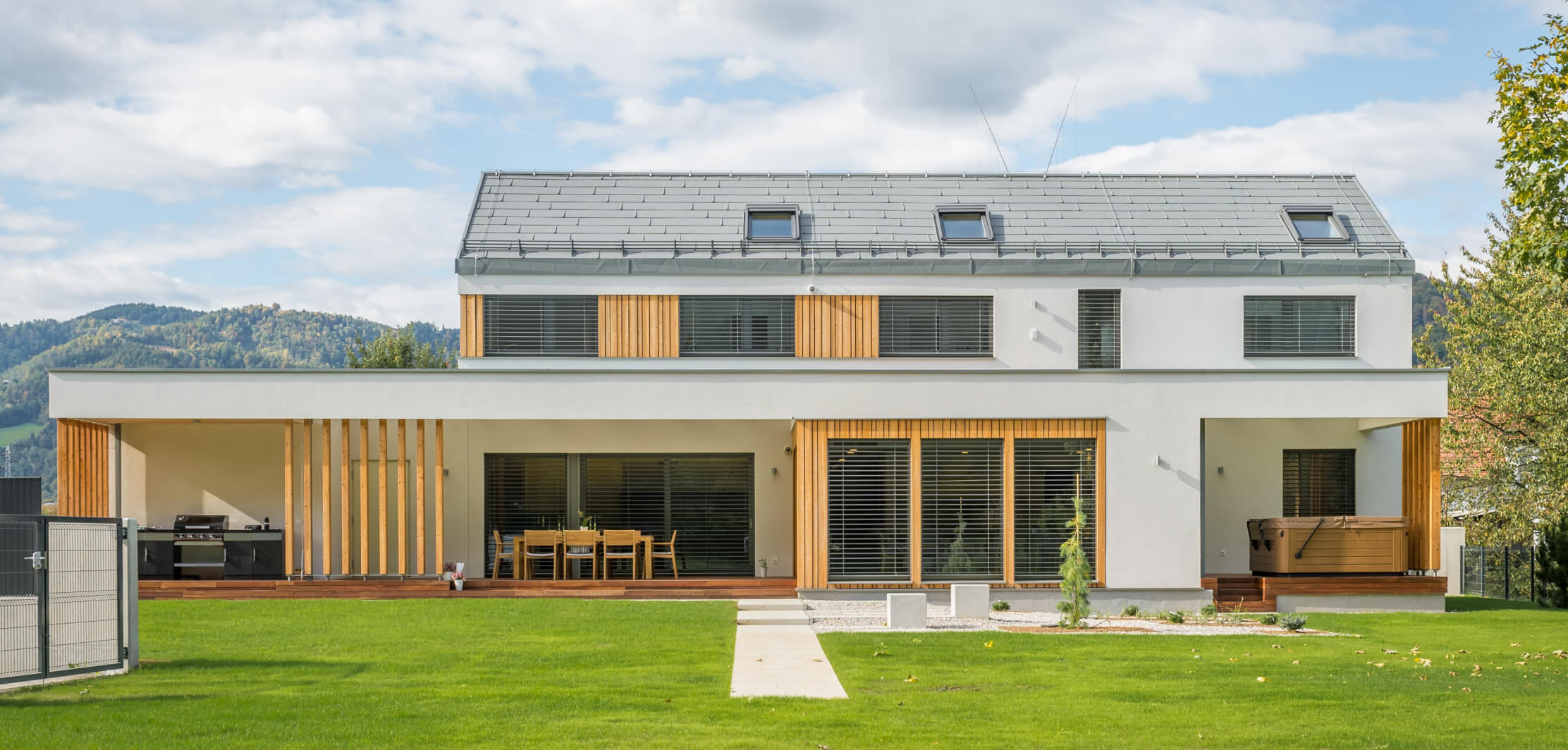
Construction Systems
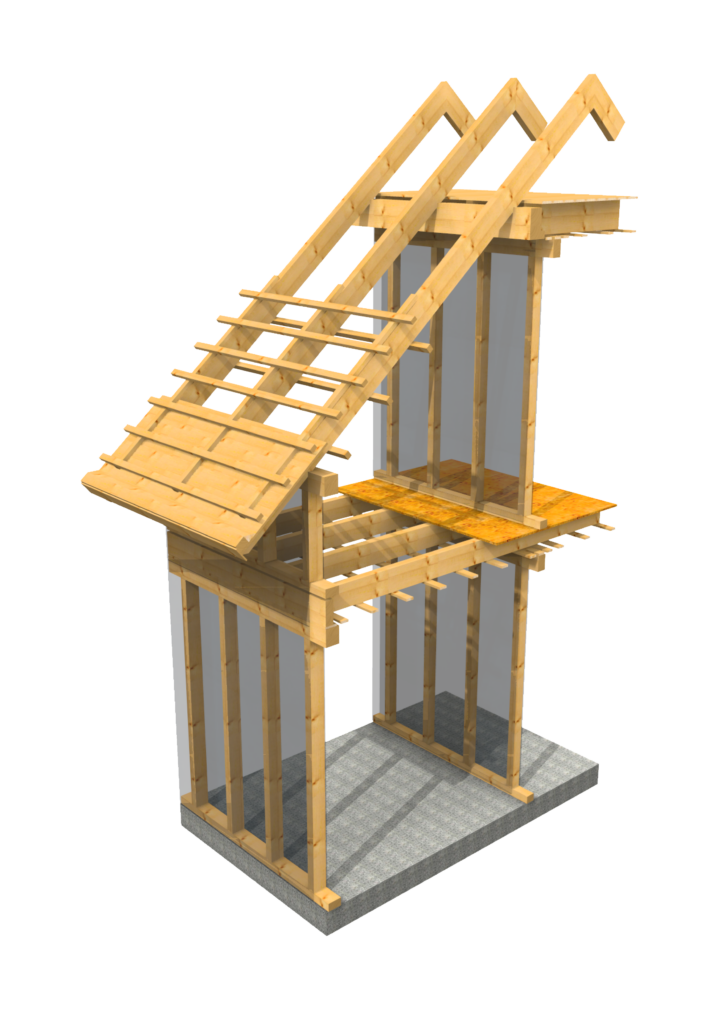
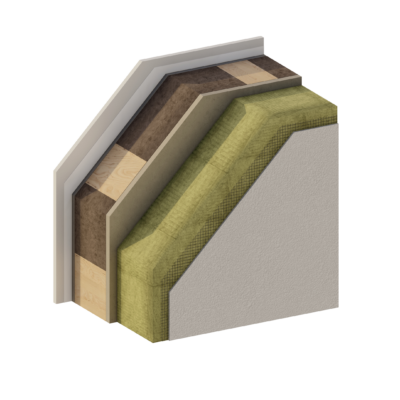
Timber Frame
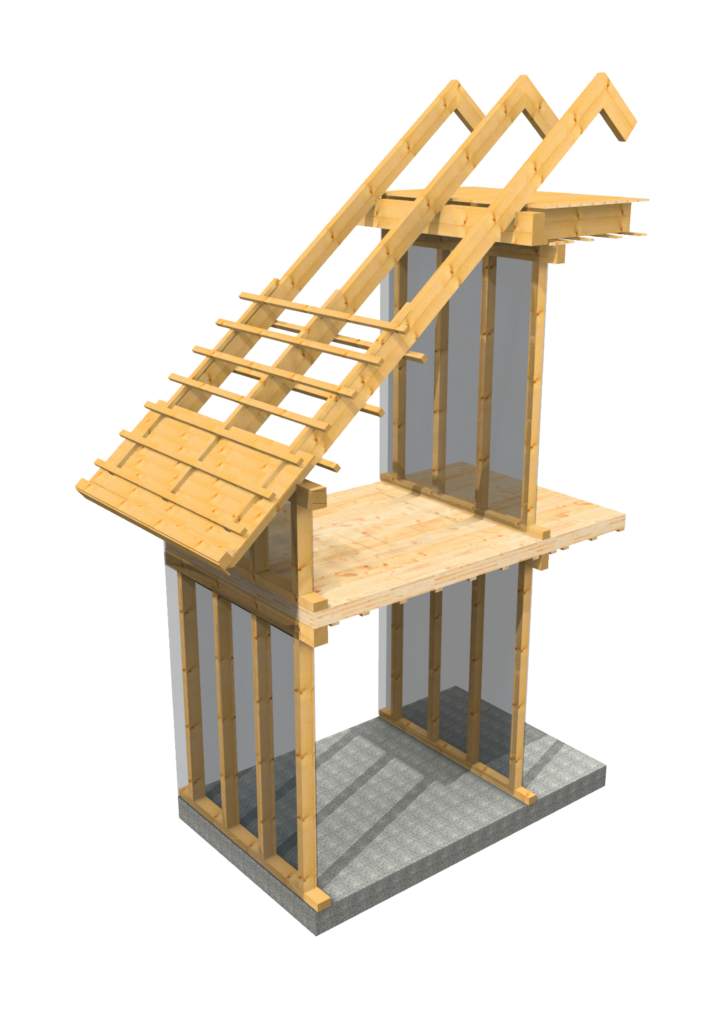
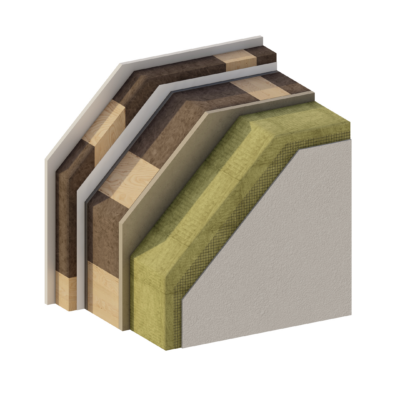
Hybrid
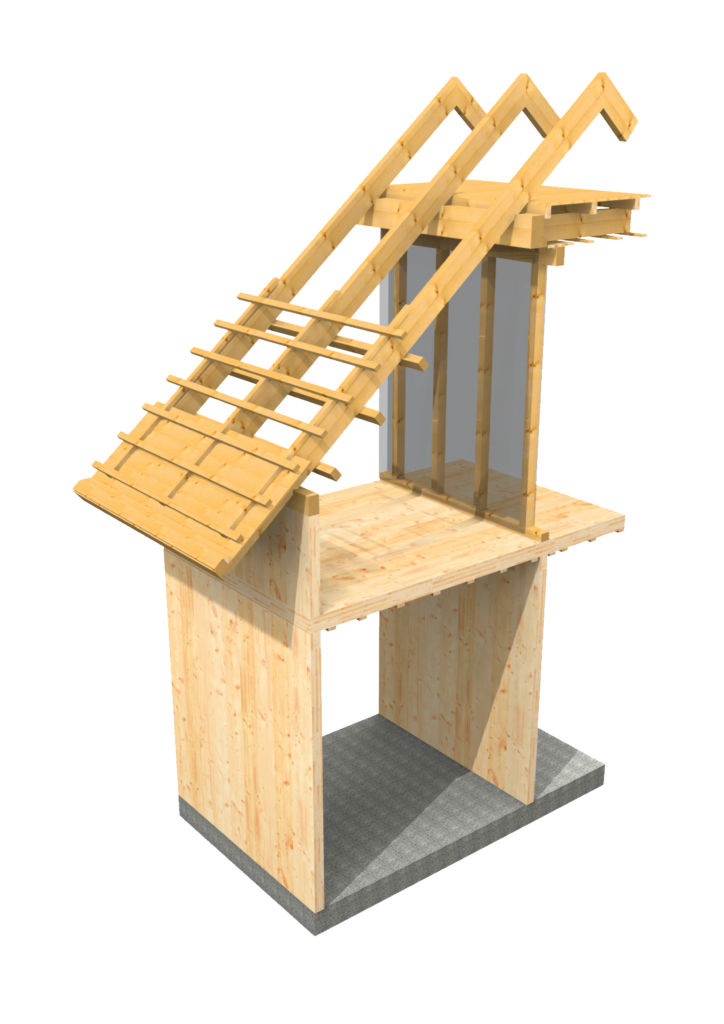
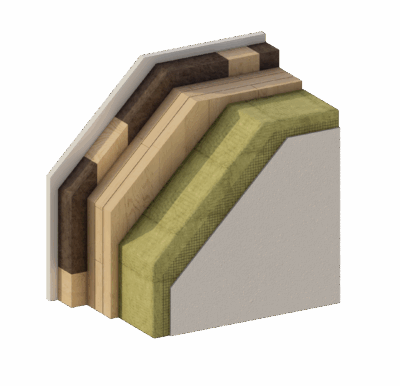
Prefab CLT
Timber frame construction is our core solution for single-family homes, semi-detached houses, multi-residential buildings up to 4 storeys, and earthquake-prone areas.
For larger and more complex buildings, we adapt the structural system to the project and, where needed, combine timber frame construction with CLT, concrete, steel or other hybrid solutions.
The final choice is based on the optimal balance between structural performance, cost, construction speed, fire safety, acoustic protection and long-term building quality.
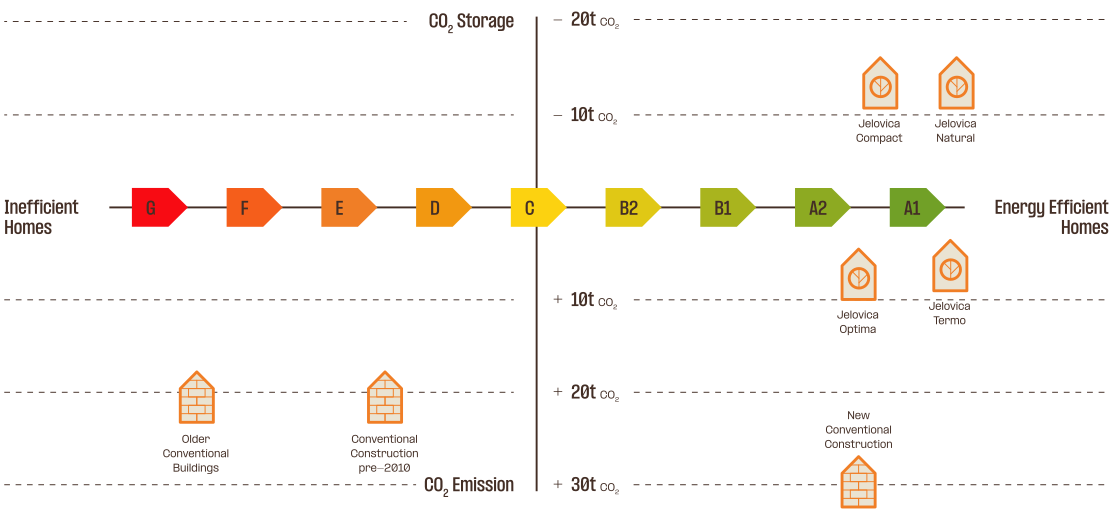
Sustainability Matrix of Jelovica Systems
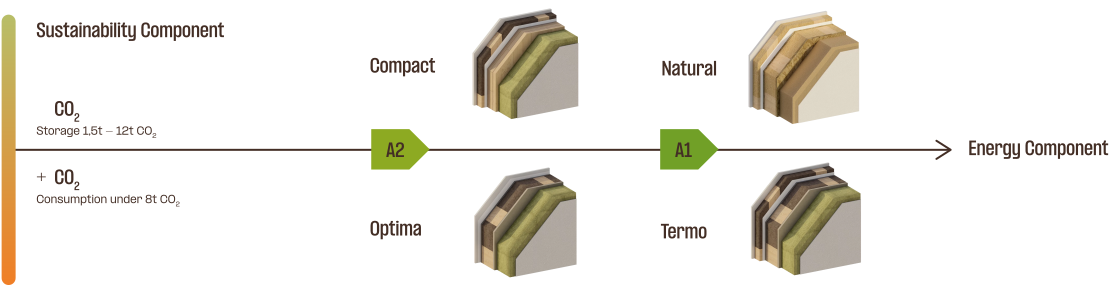
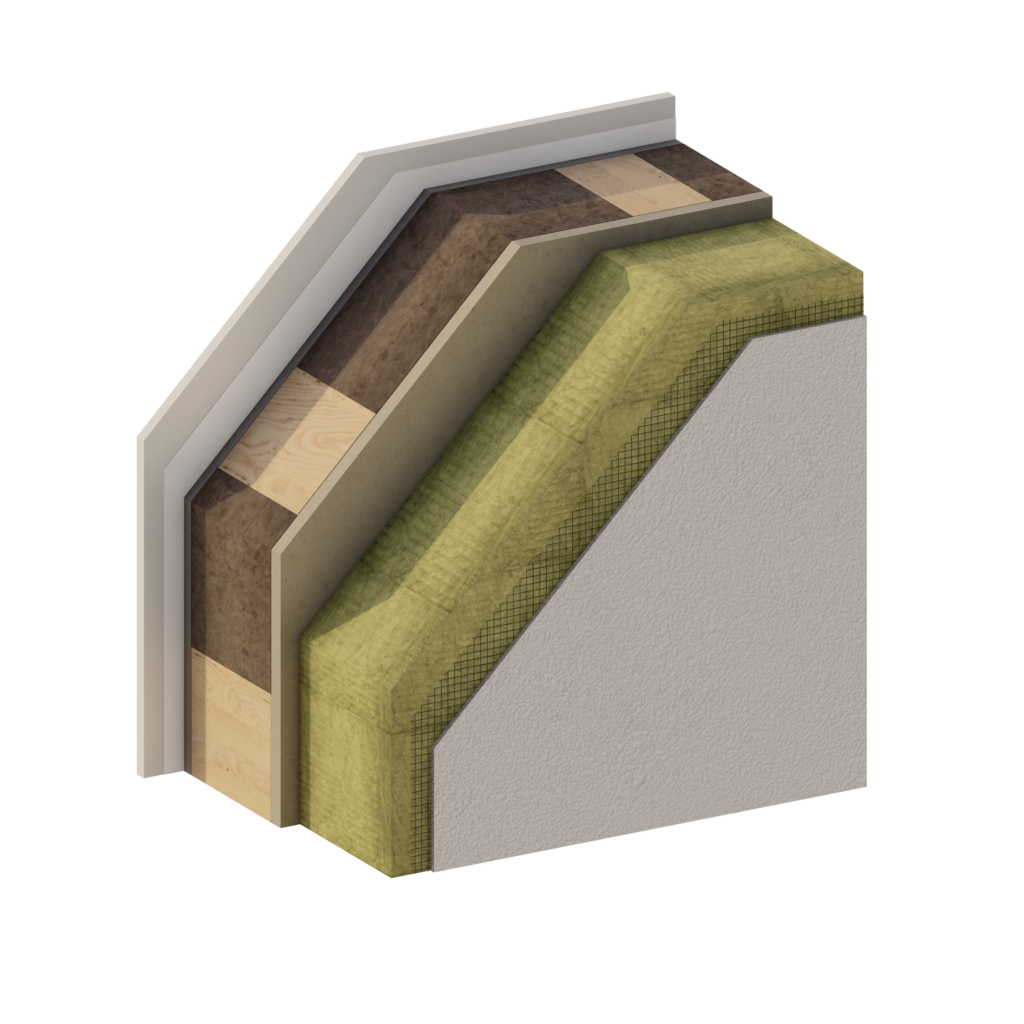
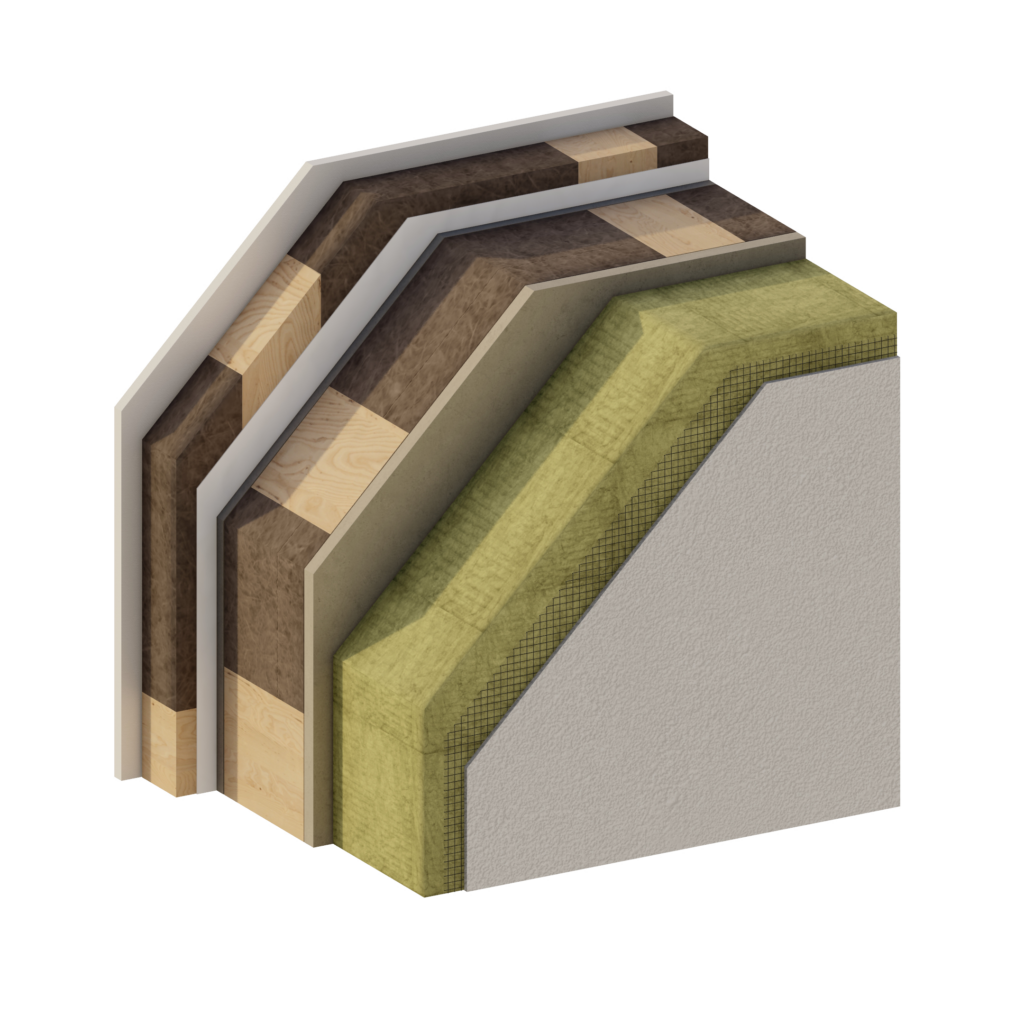
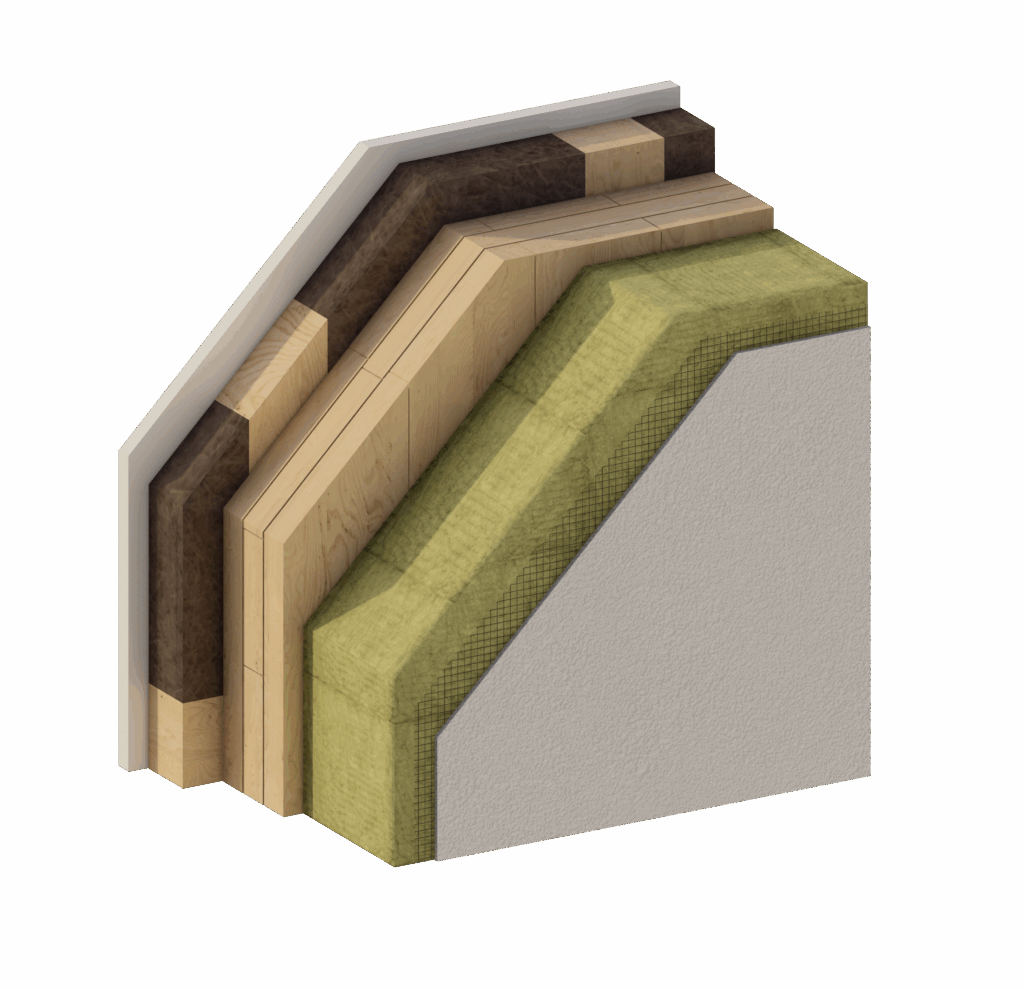
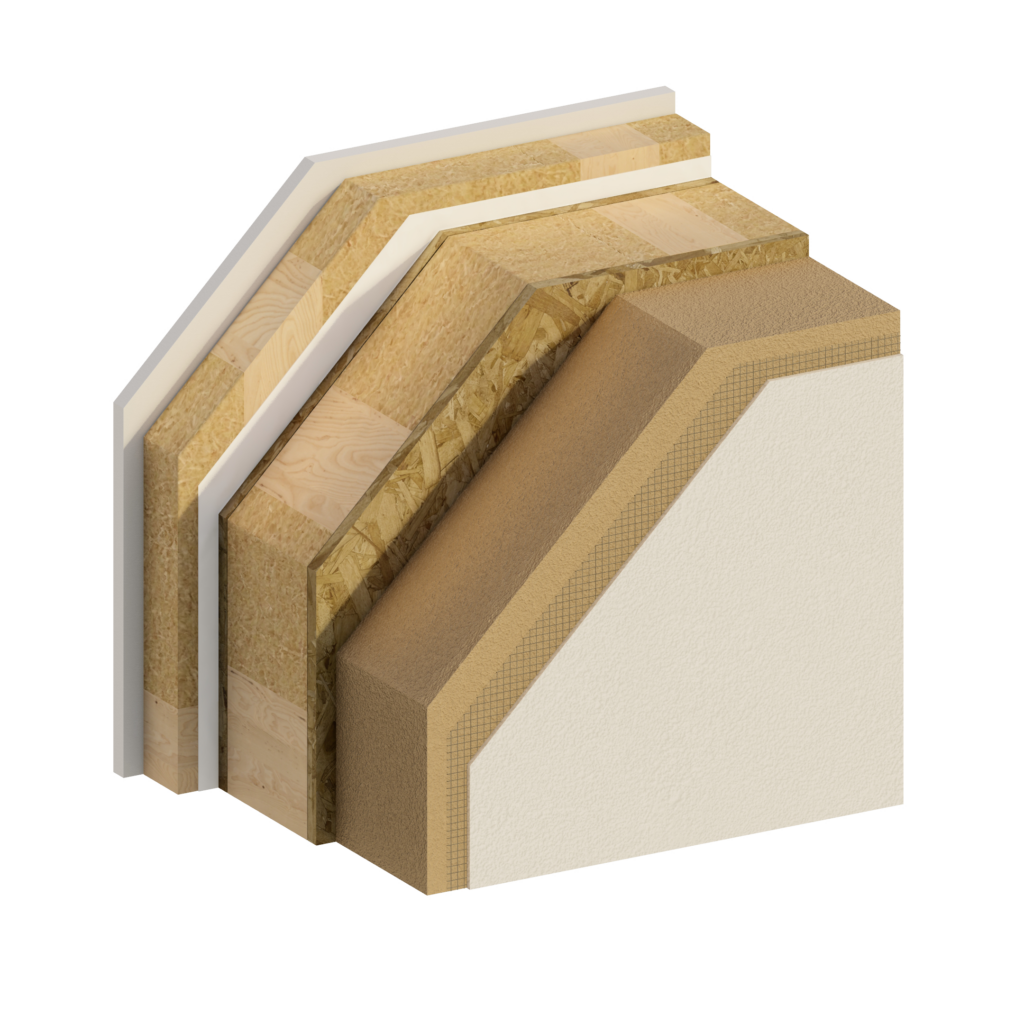
Side-by-side
Energy Efficiency
Customization options
Doors
Windows
Shades
Our systems'
benefits

Seismic Safety

Fire Safety

Sound Insulation

Energy Efficiency
Our Certificates







Answers to some of the most frequently asked questions
The most common choice is a timber frame panel construction system or a hybrid solution, depending on the architecture, structural design, fire safety requirements and local regulations.
Timber frame panel construction is optimal for fast assembly, high energy efficiency and a high degree of prefabrication. A hybrid structure is suitable when the project requires a combination of timber, concrete or CLT elements.
The final choice is determined after a detailed technical assessment.
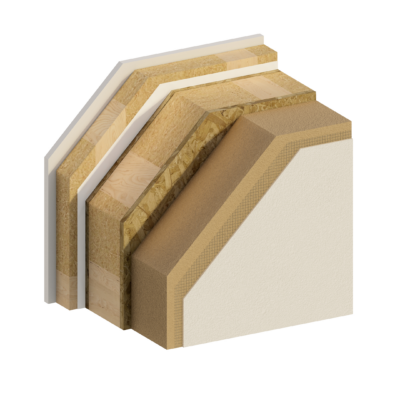
Timber frame construction is based on a wooden frame combined with insulation and board materials. Its main advantages are energy efficiency, lower timber consumption and a high degree of flexibility.
CLT, or cross-laminated timber, is based on solid timber panels with high structural stiffness. It is suitable for larger spans and visible timber elements.
Jelovica does not produce CLT panels. Instead, CLT panels are sourced from certified European manufacturers and then upgraded in Jelovica’s own production into prefabricated wall elements with an installation layer, windows and façade insulation.
Hybrid construction combines several structural systems when one single system is not optimal for the entire building.
Fire resistance classes are defined individually for each structural assembly and project, depending on the wall composition, materials, insulation and local requirements.
Jelovica solutions are designed so that fire safety is part of the complete building system, not an additional feature. Wood-cement boards, structural timber and correctly executed details play a key role.
Prefabricated timber systems provide very favourable conditions for earthquake-resistant construction due to their low self-weight and good structural stiffness.
Jelovica uses BSH timber, also known as glulam, in its wall structures. This ensures high dimensional stability, predictable long-term behaviour and improved seismic performance.
Seismic safety is considered from the earliest design stages, including structural design, static calculations and bracing strategy.
BSH timber, or glulam, is used in wall structures.
It is made from glued laminated timber layers and provides exceptional dimensional stability, no warping and predictable behaviour over decades. It is used where stability is critical, namely in external and internal load-bearing walls.
KVH timber, or structural solid timber, is used in ceilings and roof structures.
It is technically dried, finger-jointed and strength-graded, for example to C24. It is used where precision and rational load-bearing capacity are important.
Many manufacturers use one type of timber throughout the entire building. Jelovica’s approach is different: each part of the building is made from the material that is optimal for its function.
This is an engineering decision, not a cost-saving decision.
U-values depend on the selected system, insulation thickness and the energy performance requirements of the project.
Jelovica solutions are designed for low-energy or passive construction. Importantly, we do not consider only the U-value. We also take into account thermal phase shift, thermal bridges and indoor temperature stability.
This is the difference between a building that merely meets standards and a building that provides real living comfort.
Yes. Jelovica structural solutions support projects targeting CasaClima, KlimaHaus, Minergie, Passivhaus or KfW 40 standards.
Achieving certification always depends on the entire building concept, including the structure, airtightness, windows, ventilation and heating system, not only on the wall system.
Jelovica provides engineering and production support, while certification is carried out together with a local certifier.
Jelovica prefabricated timber houses meet the requirements for construction in accordance with the QNG standard, the German Sustainable Building Quality Seal, making them suitable for sustainable subsidy programmes on the German market.
All materials have CE certification and the required declarations of conformity with EU standards.
BSH timber is certified according to GL strength classes, while KVH timber is strength-graded, for example to C24. Jelovica as a manufacturer also holds CE certification.
Jelovica holds the RAL Gütezeichen quality mark, an independent German quality label confirming that production processes, materials and finished products meet strictly controlled quality criteria for prefabricated timber construction.
The timber we use is certified according to the PEFC standard, the Programme for the Endorsement of Forest Certification, which ensures that the wood comes from sustainably managed forests.
For every project, Jelovica prepares the relevant technical documentation regarding certificates and compliance.
Yes. With a properly designed intermediate floor build-up, very good impact sound insulation can be achieved.
The key factor is not only the load-bearing structure, but the entire system: acoustically separated layers, floating screed, correct floor build-up and precisely executed connection details.
For this reason, in multi-family buildings we recommend floor build-ups that are adapted to the required level of acoustic comfort and comparable to well-executed conventional solutions.